China is one of the Four Ancient Civilizations (alongside Babylon, India and Egypt), according to Chinese scholar Liang Qichao (1900). It boasts a vast and varied geographic expanse, 3,600 years of written history, as well as a rich and profound culture. Chinese culture is diverse and unique, yet harmoniously blended — an invaluable asset to the world.
Chinese cultural history has enormous diversity and variety. The sophisticated Chinese civilization was rich in the Arts and Sciences, elaborate Painting and Printing techniques and delicate pottery and sculpture. Chinese architectural traditions were much respected all over the world. Chinese language and literature, philosophy and politics are still reckoned as a strong influence. Chinese culture managed to retain its unique identity till the advent of Western culture in the mid-19th century.
Chinese Religion, Philosophy and Politics: Confucianism, Taoism and Buddhism have left a collective and lasting impression on Chinese culture and tradition. Confucianism propagated “Ren” (Love) and “Li” (rituals), signifying respect for society and social hierarchy. Taoism advocated the controversial philosophy of inaction. Buddhism emphasized on the need to attain self-emancipation through good deeds.
General Facts About China

:max_bytes(150000):strip_icc()/famous-2000-year-old-army-of-terracotta-warriors-bingmayong-discovered-in-1974-148548755-575c0ef35f9b58f22ead6418.jpg)


General Facts About China
- Official Name: People's Republic of China
- Capital City: Beijing
- Biggest City: Shanghai
- Population: 1.386 billion (2017)
- Currency: Chinese Yuan
Chinese Language
- Mandarin (71.5%)
- Wu (8.5%)
- Yue also called Cantonese (5%)
- Xiang (4.8%)
- Min (4.1%)
- Hakka (3.7%)
- Gan (2.4%)
Traditional Chinese Clothing
3 Main Types of Traditional Chinese Clothing are:
- The Hanfu
The Hanfu ('Han clothing' — the majority of Chinese are of Han ethnicity) is the oldest of China's traditional clothes. Legend traces it back to over 4,000 years ago when Huangdi's consort, Leizu, made cloth with silk. It was constantly improved throughout several dynasties.
Until the Han Dynasty, the Hanfu was adopted and vigorously promoted by the ruling class. It then became the national clothing of the Han ethnic people. It also had a far-reaching influence on neighboring Asian countries, such as Korea, Japan, and Vietnam.
- Zhongshan suit (Mao suit)
The Zhongshan suit, also known as the Mao suit overseas, is a type of male attire. It was first advocated by Dr Sun Yat-sen (i.e. Sun Zhongshan, hence Zhongshan suit) after the founding of the Republic of China in 1912. Later on, after Chairman Mao had been seen wearing it in public numerous times, this outfit gained the name "Mao suit".
- Tang Suit
The Tang suit often refers to a type of Chinese jacket rather than the clothing of the Tang Dynasty (618–907). This name came from the overseas Chinese.
As the Tang Empire was famous for being prosperous and powerful in the world, foreigners called the overseas Chinese people "the Tang people" and the clothes they wore were called "Tang suits" (which has been translated as Tangzhuang 唐装).
- Cheongsam
The cheongsam (qipao) evolved from the Manchu women's changpao ('long gown') of the Qing Dynasty (1644–1912). The Manchu ethnic people were also called the Qi people by the Han people; hence their long gown was named qipao ('Qi gown').
Chinese Wedding
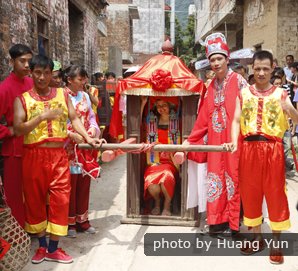
In China, the color red is considered to symbolize good luck. The color is also believed to keep away evil spirits. It's therefore no surprise that traditional Chinese wedding outfits almost always feature the color red.
Chinese Traditional Festivals and Events
- Chinese New Year
- Lantern Festival
- Zhonghe Festival
- Shangsi Festival
- Duanwu Festival
- Qixi Festival
- Ghost Festival
- Mid-Autumn Festival
- Double Ninth Festival
- Spirit Festival
- Water Lantern Festival
- Dongzhi Festival
- Laba Festival
Chinese Zodiac
The Chinese Zodiac, known as Sheng Xiao, is based on a twelve-year cycle, each year in that cycle related to an animal sign.
These signs are the rat, ox, tiger, rabbit, dragon, snake, horse, sheep, monkey, rooster, dog and pig. It is calculated according to Chinese Lunar Calendar.
Chinese Food
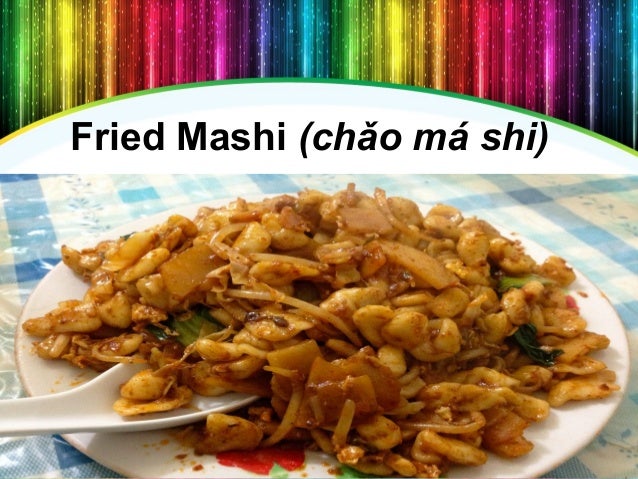
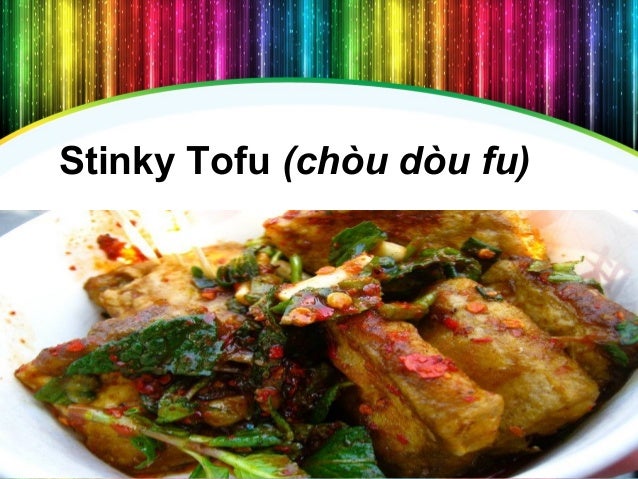
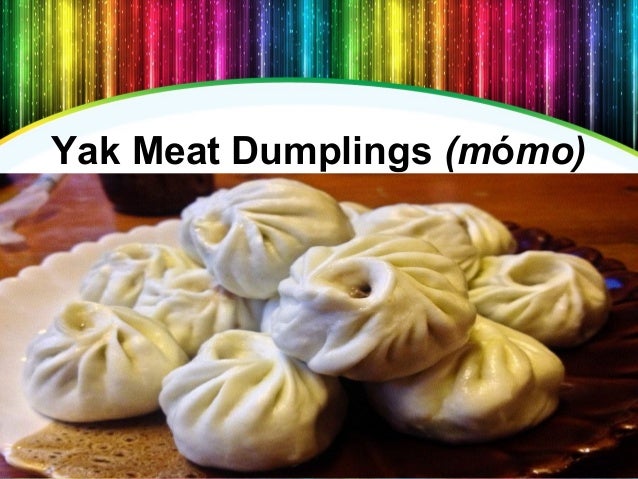
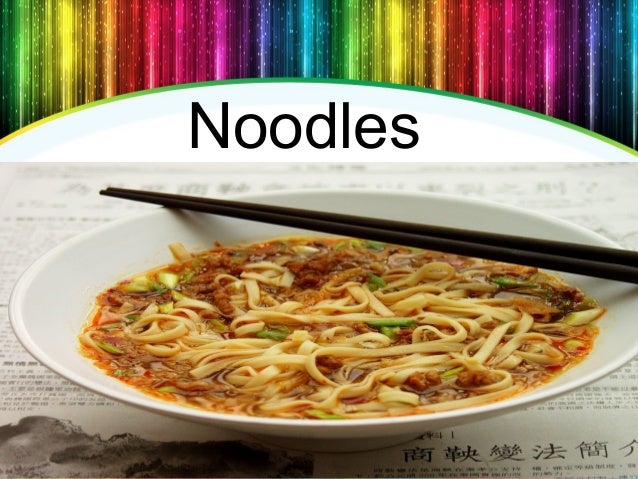
Chinese food is famous all over the world, but you may be shocked by its surprising range and variety of ingredients if you’ve only eaten in Chinese restaurants abroad. Chinese food has countless delicious and fantastic dishes. And people from different areas have different cuisine types, which can be bland, sweet, salty, spicy, or sour.
The Seven Most Significant Chinese Historical Places
- The Great Wall
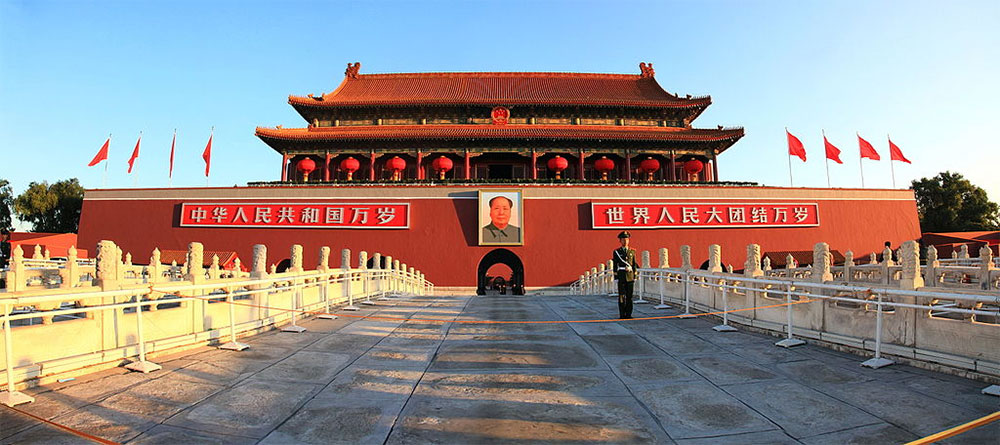
- The Forbidden City
- The Terracotta Army
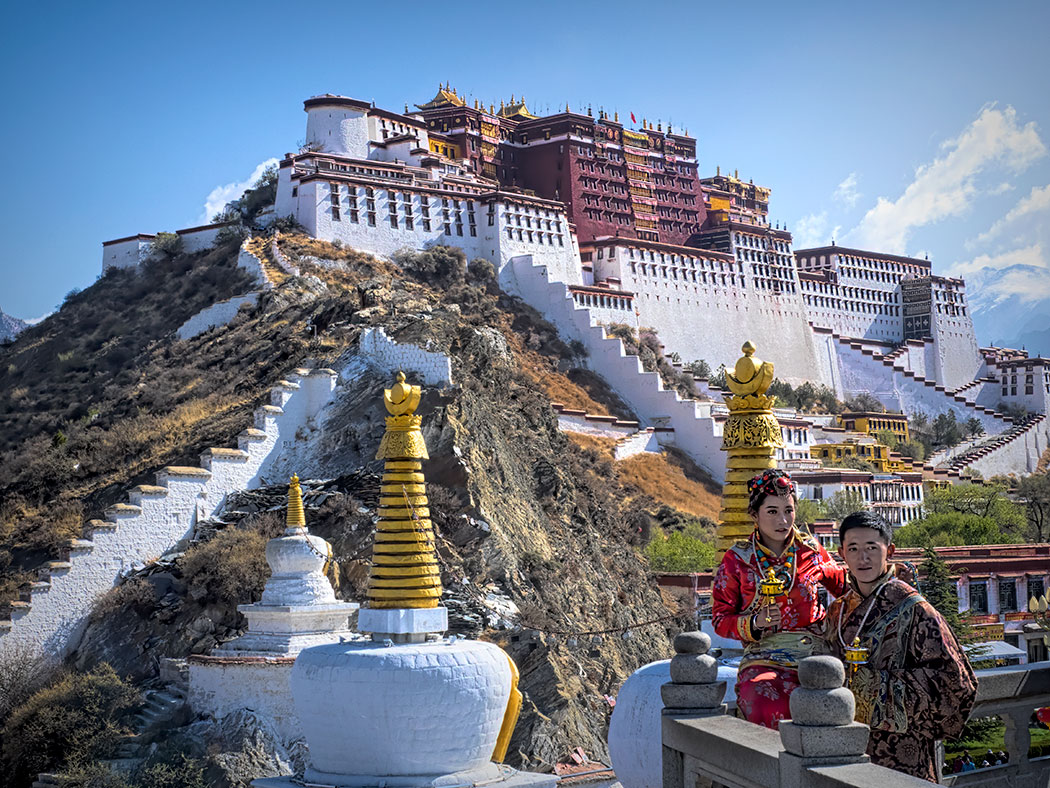
- The Potala Palace
- The Summer Palace
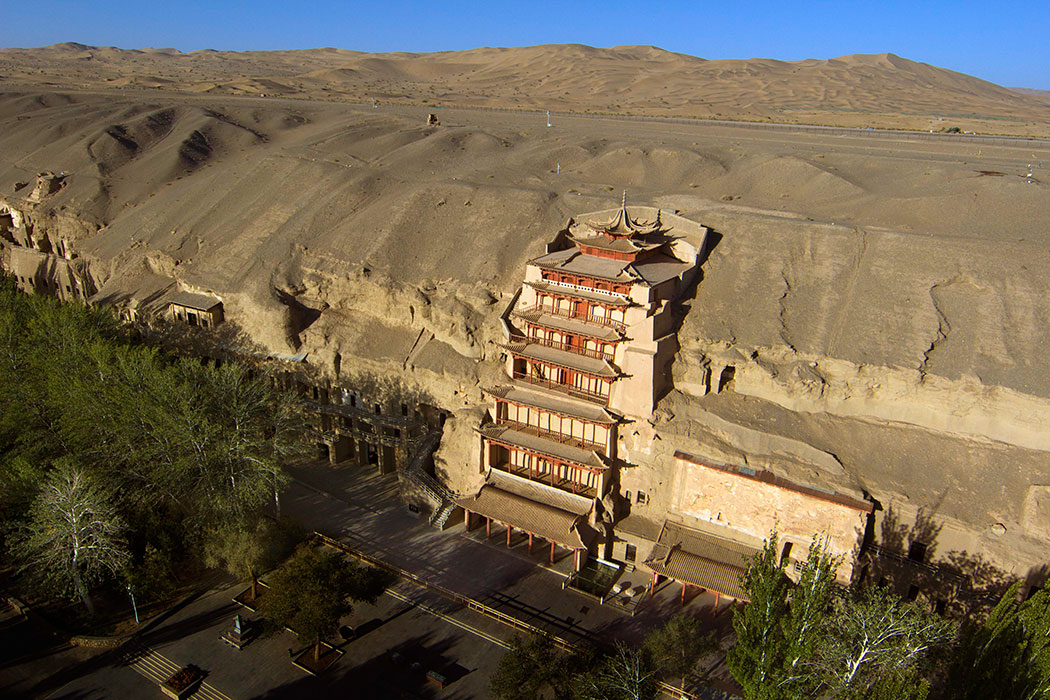
- The Mogao Grottoes
- The Three Confucian Sites
